
The federal government is moving toward a new healthcare strategy that could change how millions of Americans manage obesity. A proposed pilot program from the Trump administration is setting the stage for Medicare and Medicaid to potentially cover popular weight loss drugs.
This initiative would mark a shift from previous limitations, especially for Medicare beneficiaries who haven’t had access to these medications unless diagnosed with Type 2 diabetes.
What’s Changing?
Starting as early as 2026, this five-year experiment would allow state Medicaid programs and Medicare Part D plans to choose whether to cover specific GLP-1 medications, including Ozempic, Wegovy, Mounjaro, and Zepbound. The trial will be overseen by the Center for Medicare and Medicaid Innovation (CMMI), which tests new payment and service models aimed at improving care while reducing costs.
The move could expand access to effective weight management treatments for people struggling with obesity — a condition now widely recognized by the medical community as a chronic disease rather than a matter of willpower or lifestyle choices alone.
Why It Matters

Freepik | Obesity impacts millions of American adults, raising their risk for chronic illnesses.
Obesity impacts nearly 100 million adults in the U.S., driving up rates of diabetes, heart disease, and other chronic illnesses. The potential coverage of GLP-1 drugs under government insurance programs could open doors for individuals who haven’t been able to afford these treatments out of pocket.
Key details about the proposed model:
1. Start Dates – Medicaid coverage could begin in April 2026; Medicare Part D plans would follow in January 2027.
2. Voluntary Participation – States and insurance plans aren’t required to join — they can opt in.
3. Required Add-ons – Programs that join must also provide nutrition and exercise support alongside the medication, aiming for a more comprehensive approach to long-term weight management.
4. Inclusion of New Drugs – If approved, the oral GLP-1 drug Orforglipron will be included in the model.
Mixed Reactions Across the Board
Healthcare leaders and former CMS officials see the trial as a possible turning point. Chiquita Brooks-LaSure, who directed CMS under the Biden administration, even called it a “game changer” in recognizing obesity as a real medical condition.
Even so, opinions remain divided. Inside government and across the medical field, questions about value and cost persist. Some experts see the drugs as worth their price, while others—like HHS Secretary Robert F. Kennedy Jr.—warn about affordability and emphasize that lifestyle changes still matter.
Wellness influencers, including Jillian Michaels and Dr. Mark Hyman, have added their skepticism, noting risks tied to metabolism and the likelihood of weight regain after treatment ends.
Financial Concerns Are Front and Center
These medications are expensive—averaging $5,000 to $7,000 per person annually. If widely adopted, the financial burden would be immense. Estimates suggest Medicare coverage alone could total $35 billion between 2026 and 2034.
David Rind, Chief Medical Officer at the Institute for Clinical and Economic Review, cautioned that while the drugs deliver value to individuals, the nationwide expense could overwhelm government budgets.
Varying State-Level Participation
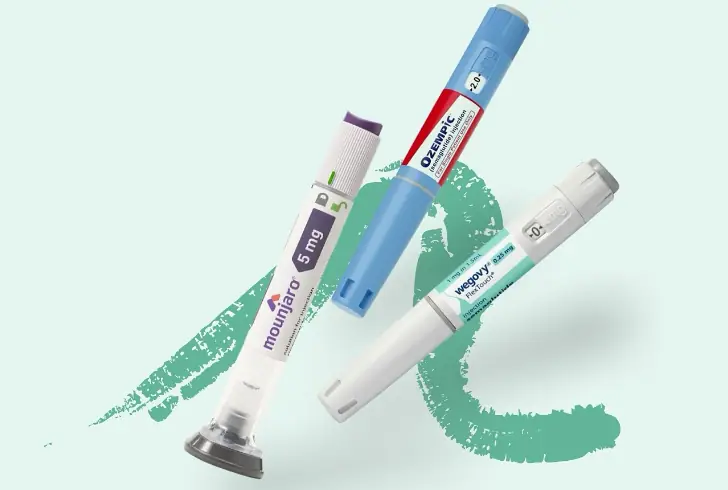
Instagram | @getmaple | Breakthrough drugs may soon join the fight with broader support behind them.
So far, only 13 state Medicaid programs have agreed to cover GLP-1s for obesity treatment. Whether more states sign on is uncertain, especially with tight budgets and unpredictable federal funding.
The federal push, however, is clear: expand access to obesity drugs alongside support like dietary and exercise counseling, aiming for population-wide metabolic health improvements.
Pharmaceutical Industry Response
Novo Nordisk, the manufacturer of Ozempic and Wegovy, supports broader insurance coverage and calls it essential to improving healthcare access. Eli Lilly, which produces Mounjaro and Zepbound, has not issued a public statement.
CMMI, the agency leading the trial, is receiving additional support despite recent staffing cuts in the Department of Health and Human Services. The center has plans to hire around 100 new staff to manage the pilot and related healthcare innovation programs.
A Shift With National Impact
The Medicare and Medicaid weight loss drug experiment shows a growing understanding of obesity as a medical condition, not just a lifestyle issue. If it works, this program could change how federal health plans handle obesity treatment. It might also push private insurers to offer similar coverage.
The financial impact is significant. However, the bigger shift lies in how the U.S. manages chronic health problems. The model focuses on long-term results by offering both medication and lifestyle coaching. It aims to improve patient health without creating unsustainable costs.
Whether the program becomes permanent depends on results, public response, and ongoing debates about cost and value. Still, this move marks a new direction for government-backed healthcare and its role in fighting obesity.