Unlocking the Flavor of Vietnamese Coriander
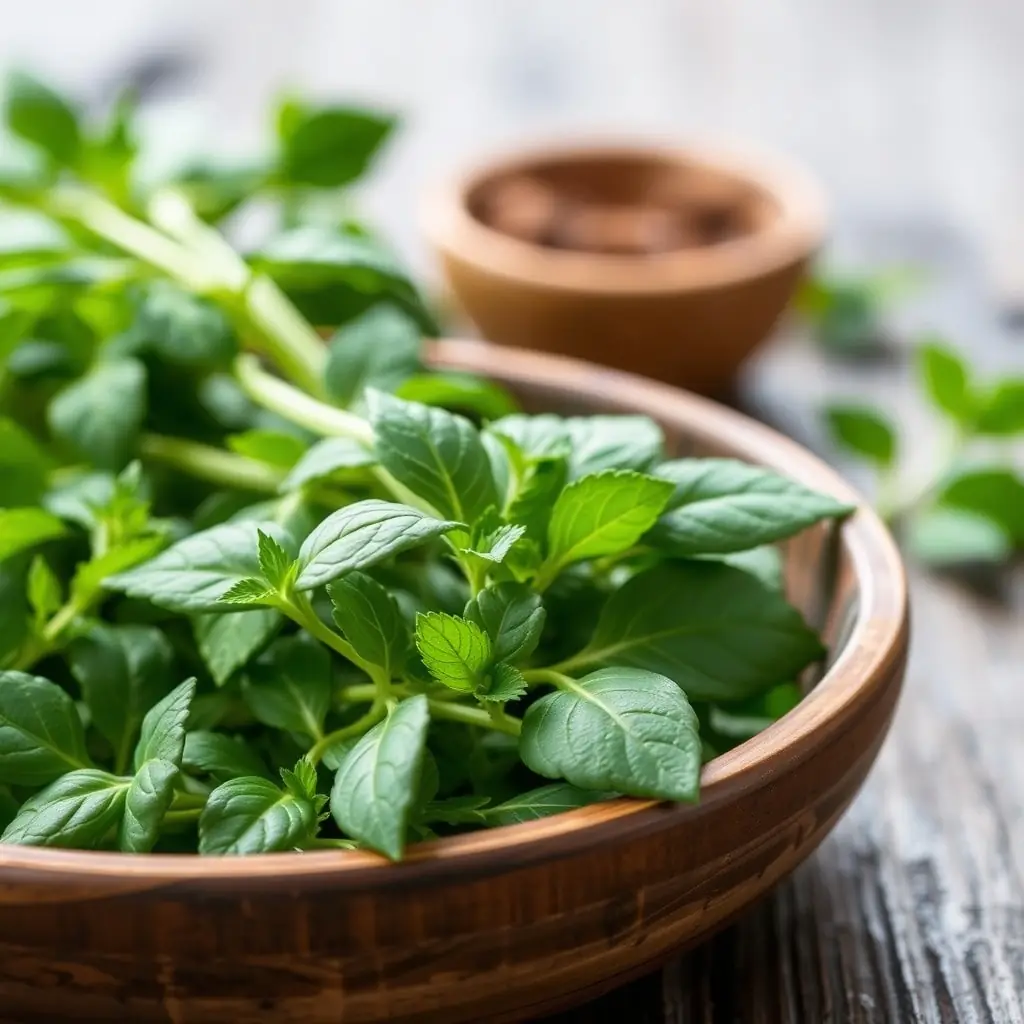
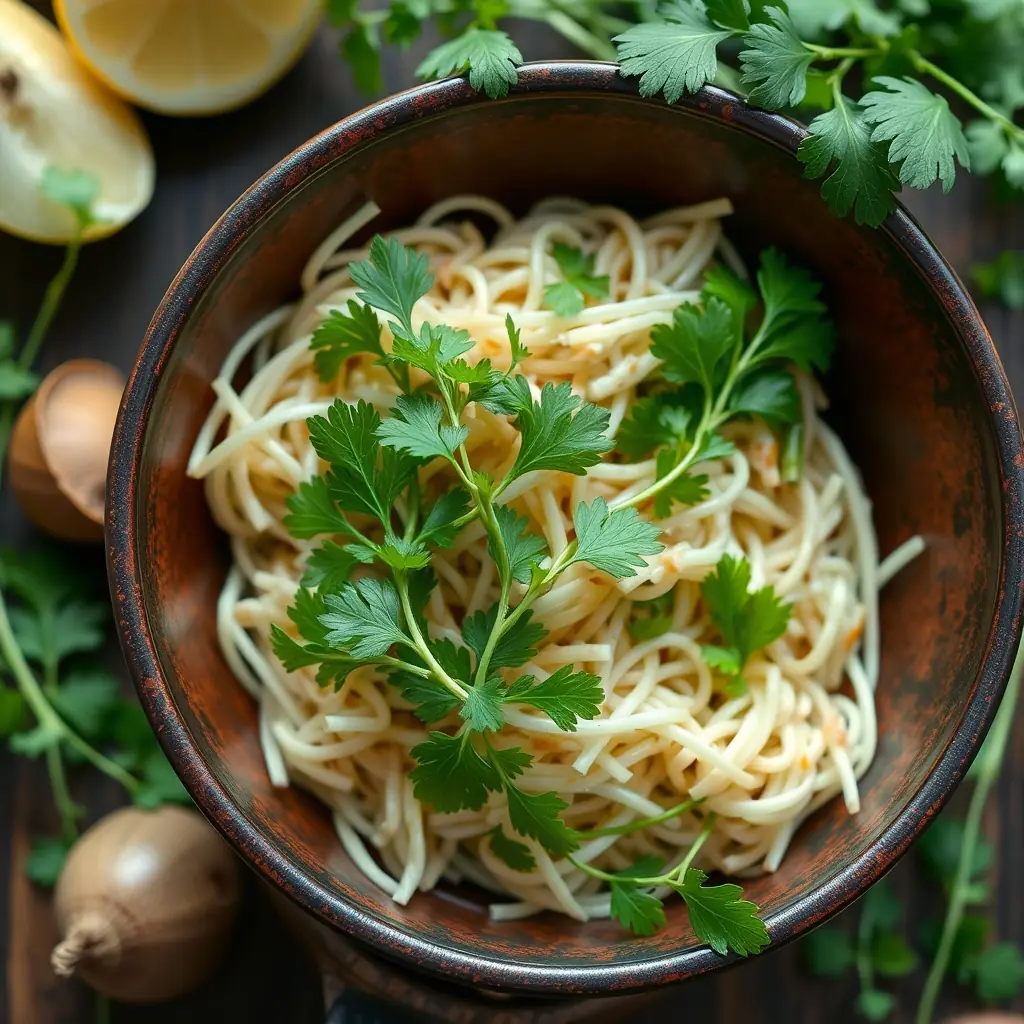
Vietnamese coriander, also known as Rau Ram, offers a sharp and peppery flavor perfect for salads and soups. This herb is a staple in Southeast Asian cuisine and brings an unexpected twist to your usual dishes. Unlike regular coriander, it has a more pronounced citrus note, making it a versatile ingredient in recipes for noodles and spring rolls. One of its standout qualities is the ability to maintain its flavor even after cooking, unlike some herbs that lose potency. To experiment, substitute Vietnamese coriander in any dish that calls for basil or mint, like a warm Pho or a fresh spring salad. Perhaps the most rewarding discovery is its contribution to marinades, paired excellently with lime and soy sauce to uplift grilled chicken or beef. These details highlight why this herb is a hidden gem in the culinary world.
Transform Your Meals With Lovage
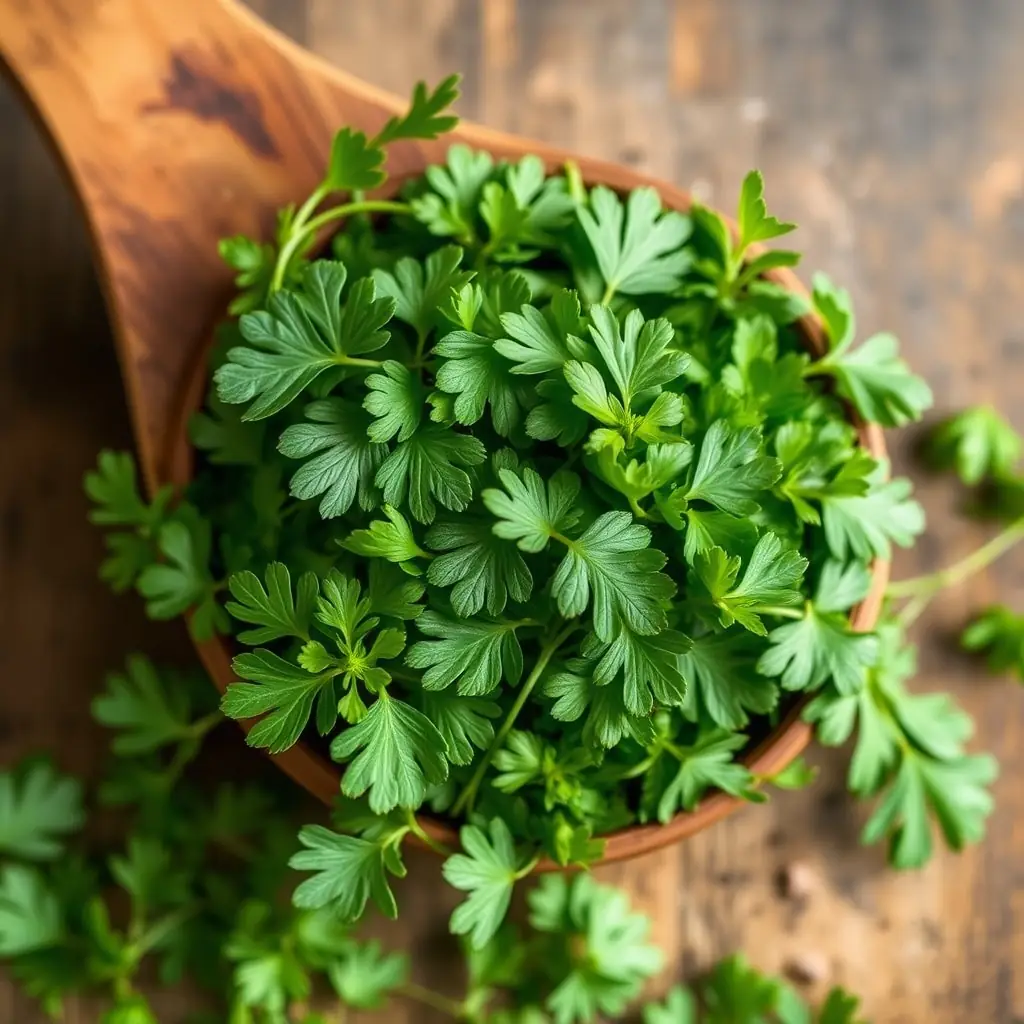
If you haven't tried lovage, you're in for a treat. This lesser-known herb, with its celery-like flavor and robust aroma, can drastically change the way you season your food. It's particularly well-suited for potato and lentil dishes. Imagine adding a few chopped leaves to your classic potato soup or a lentil stew—suddenly, your dish reaches a new level of depth. Because of its unique ability to enhance flavors without overpowering them, chefs often use lovage to balance hearty meals and vegetarian dishes alike. It's also ideal for incorporating into butter spreads for bread, infusing oils, and even flavoring homemade stocks. The secret weapon of many chefs, lovage stands out for its ability to make a soup's broth feel richer and more full-bodied than it actually is.