Most people think meditation is just for clearing your head, but it might actually slow down how fast your body ages. That is what a new peer-reviewed study from the journal Biomolecules suggests. It found that people who have practiced Transcendental Meditation (TM) for more than a decade show real biological signs of youth. We are talking lower stress, healthier genes, and better brain activity.
Researchers compared long-time TM meditators (some with over 40 years of experience) to a control group of non-meditators. Everyone was around the same age, but the results showed that the meditators had better stress hormone levels and signs of slower biological aging.
Meditation Changes Your Biology, Not Just Your Mood
The team found that the meditators had a lower cortisol-to-cortisone ratio, a marker of stress and resilience. They also had healthier patterns of gene activity, including less expression of genes linked to inflammation and aging. One of those genes, SOCS3, is tied to stress and how your body handles energy. Less activity in that gene is a good sign.

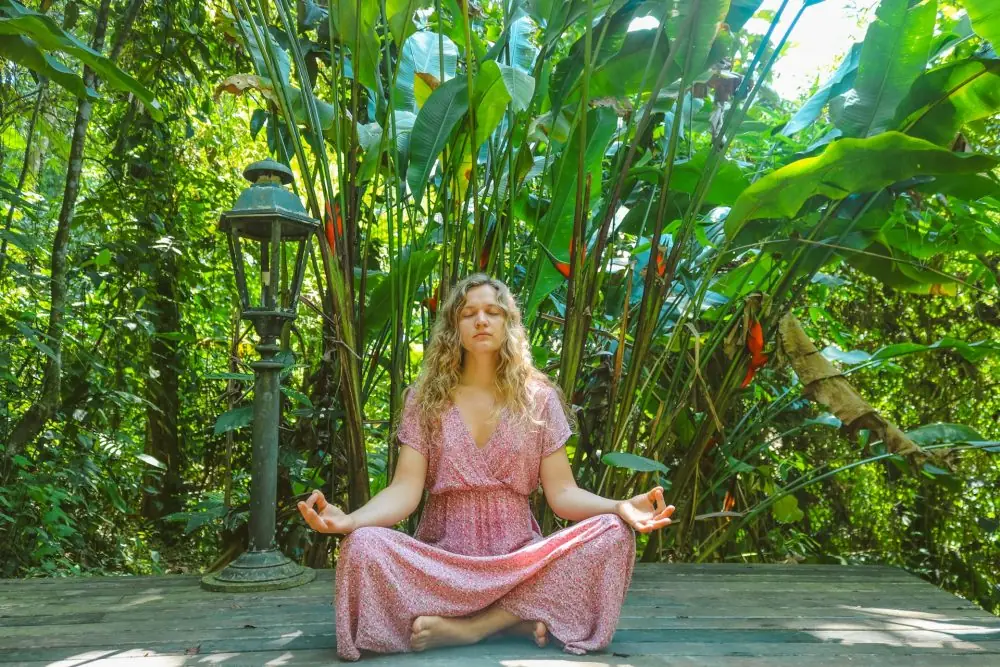
Ferguson / Pexels / The researchers found that meditators had a lower cortisol-to-cortisone ratio. Something that leads to healthy longevity.
And it didn’t stop there. The researchers even looked at cortisol levels in hair. That is a way to check long-term stress, not just how you feel in the moment. Turns out, those who meditate had way less of it. This is another clue that meditation might help protect the body from chronic stress over time.
Stress Speeds Up Aging, Meditation Slows It Down
So, why does this matter? Chronic stress doesn’t just mess with your mood. It hits your body where it hurts. Research has shown that long-term stress can cause real damage: it speeds up aging, raises inflammation, and breaks down your cells’ energy systems.
It even shortens telomeres – those protective caps on your DNA. Once those wear down, your cells age faster.
This new study suggests that meditation could interrupt that process. If you can bring down stress hormones and improve how your genes behave, your whole system stays stronger for longer. It is like turning down the volume on the body’s internal wear-and-tear.
How Meditation Rewires the Brain and Body
Meditation appears to lower cortisol, the main stress hormone, which helps the body recover faster and avoid chronic stress buildup. That means less inflammation, better energy use, and a more stable mood. In the long run, this could protect against diseases linked to aging, like heart disease, diabetes, and even cognitive decline.

Freepik / Researchers looked at EEG readings – AKA brain activity – and found signs of sharper focus and better cognitive function in those who meditated regularly.
Their brains were not just more relaxed. They were more efficient.
What Makes Transcendental Meditation Different?
Transcendental Meditation is a simple practice. You sit quietly, close your eyes, and repeat a personal mantra for about 20 minutes, twice a day. It doesn’t involve deep concentration or chanting. It is easy, accessible, and taught by certified instructors around the world.
The technique comes from ancient Vedic traditions. But it has been studied a lot in recent years, especially for its mental health effects. One study, funded by the David Lynch Foundation, looked at military veterans with PTSD and anxiety. Those who practiced TM were far more likely to cut back or quit anxiety meds compared to those who didn’t.
If you Are looking for a way to stay sharp and feel better, meditation is a solid option. You don’t need to practice it for 40 years to see benefits. Even short-term meditation helps with sleep, focus, and anxiety. However, what this new study shows is that the long-term effects might go even deeper.