When daily headlines feel heavy and conversations seem filled with worry, emotional steadiness can feel hard to reach. Anxiety often builds not from one single event, but from constant exposure to fear, noise, and imagined outcomes. Still, a grounded sense of well-being is possible. With a few intentional shifts, emotional balance can exist even when the outside world feels unsettled.
The focus here is not denial or withdrawal. The focus is learning how to protect mental space, allow moments of joy, and stay rooted in what is actually happening right now. These three practices work together to build resilience and support calm during stressful periods.
Monitor What Enters Your Mind
Every day brings a steady stream of information through news, social platforms, and personal interactions. That stream directly shapes mood and outlook. Paying close attention to what fills mental space is one of the simplest ways to protect emotional health.
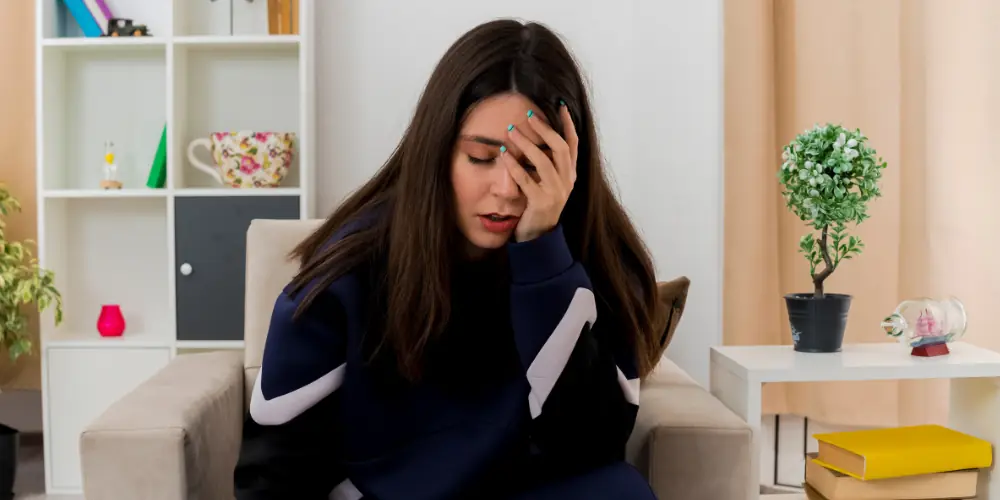
Constant exposure to distressing updates or repetitive conversations centered on fear can quietly drain energy. Time spent with people who replay worst-case scenarios often pulls others into the same mental loop. Awareness matters here. If certain media or discussions leave a sense of heaviness or tension in the body, that response offers useful guidance.
Choosing to step back from harmful input is not denial. It is a boundary. Respectful limits can be set by explaining that repeated focus on upsetting topics does not support personal well-being. Some may react with frustration or judgment, but clarity matters more than approval. Different coping styles exist, and not all approaches suit every person.
Make Room for Joy Without Guilt

Freepik | Prioritizing joy helps the body reset and builds essential emotional resilience.
Joy often feels out of place during periods of widespread hardship. Many people hesitate to enjoy positive moments, believing happiness ignores the suffering of others. That belief creates unnecessary emotional strain.
Joy and pain coexist. Feeling gratitude or pleasure does not erase compassion or awareness. Suffering elsewhere does not lessen when personal joy disappears. In fact, moments of genuine happiness often increase empathy and emotional openness.
The question worth asking is simple: is there enough joy present? Small experiences count. A favorite song, time outdoors, laughter, or a quiet moment of ease can restore balance. These moments do not need justification. They provide emotional nourishment.
Think of joy as part of an emotional diet. Without it, resilience weakens. With it, the nervous system gets a chance to reset. Pausing to notice joy in the body—relaxed shoulders, a steady breath, a softer jaw—helps anchor that experience.
Focus on the Present
Anxious minds often dwell on future scenarios, imagining worst-case outcomes. This tendency to catastrophize is a natural response to uncertainty, but it can amplify fear unnecessarily. The mind may prefer predictable negativity over the unknown, creating a false sense of control.
Returning attention to the present moment helps counter this cycle. Grounding practices such as noticing bodily sensations, feeling the breath, or observing immediate surroundings redirect focus from imagined threats to tangible reality. Concentrating on the current moment clarifies priorities and reduces the mental burden of “what-if” thinking.
Awareness of these thought patterns allows for conscious choice. Each time the mind drifts into anxiety about the future, it is possible to pause, acknowledge the tendency, and refocus on what is manageable now. Accepting uncertainty without panic creates space for resilience and emotional balance.
Simple Practices That Support Calm
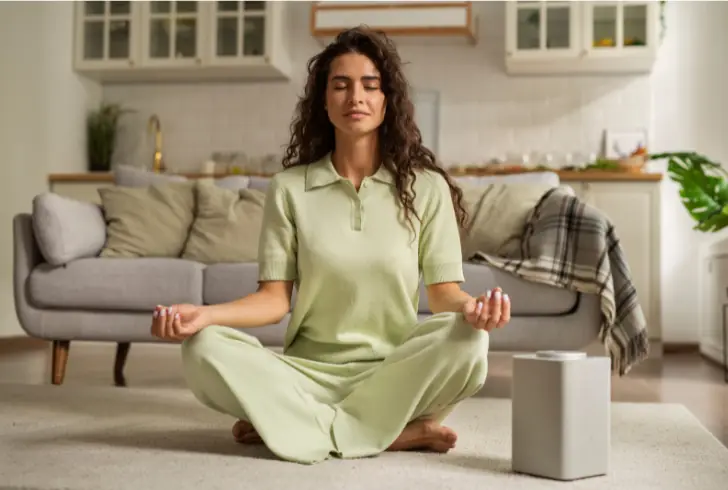
Freepik | Practical mindfulness and intentional choices build resilience and mental clarity.
Achieving well-being during stressful periods can begin with three simple steps:
1. Limit exposure to toxic information and interactions.
2. Introduce joy intentionally into daily routines.
3. Stay present and focused on what can be managed in the moment.
These strategies are not a one-time fix but a practice. Regularly applying them can shift emotional patterns, reduce stress, and create a grounded sense of calm even in chaotic times.
Developing inner calm is a practical process that emphasizes intentional living. Monitoring inputs, embracing joy, and anchoring in the present foster resilience and mental clarity.
These habits cultivate balance, allowing individuals to navigate uncertainty with steadiness and perspective. By integrating these practices, it is possible to experience a sense of well-being that persists regardless of external challenges.