Fitness content once offered a reliable escape. Scroll through Instagram or TikTok and the feed was filled with deadlifts, meal prep tips, race recaps, and gym selfies. Politics rarely entered the frame. That boundary has started to blur.
Over the past month, a noticeable group of fitness creators has stepped into public debate, addressing immigration enforcement, civil rights, and the role of government agencies such as ICE.
This shift has surprised many followers. Yet for the creators involved, staying silent no longer felt neutral. It felt dishonest.
From Gym Routines to Public Statements
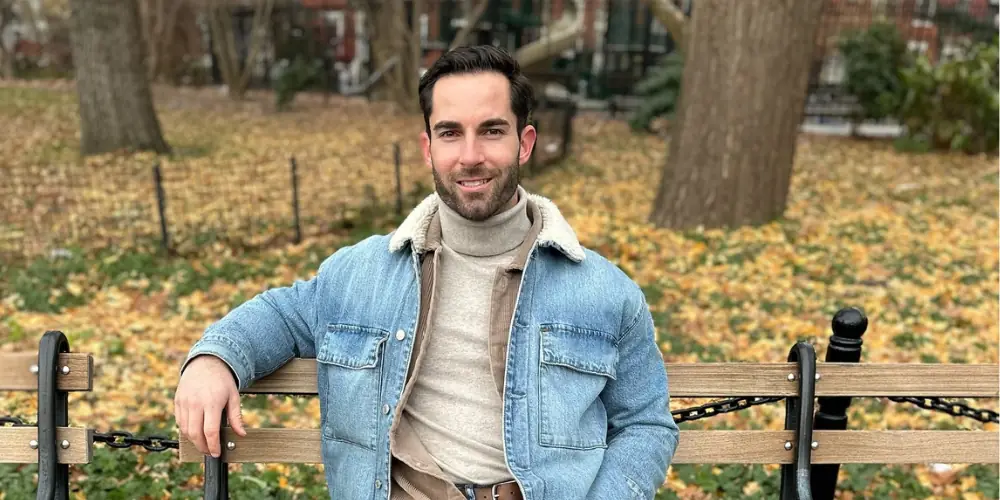
Tom Schweers, a lifestyle and fitness creator with 104,000 followers, built his platform on relatable content. His posts typically feature home workouts, parenting moments, and “fit checks” with his wife. The tone stays light and routine-driven.
Last week, that pattern changed.
Instead of filming a standard morning vlog, Schweers set up a tripod in his home gym and recorded a direct message to his audience.
View this post on Instagram
“I’m just going to tell you where I stand and how I feel,” he said. “Just to let you know, I am completely against this administration. I am completely against ICE. I’m always going to stand with immigrants.”
Schweers later shared that it was the first time he had ever posted about a political issue.
He is not alone. In recent weeks, dozens of fitness-focused accounts have addressed the death of Alex Pretti, an ICU nurse at the Minneapolis VA Medical Center who was killed by ICE agents in late January. Feeds once centered on personal records and workout splits now include commentary on ICE enforcement and statements about the Trump administration’s actions and rhetoric.
For years, the fitness space carried a reputation for staying politically neutral. This new wave of public commentary reflects a wider shift across online communities.
Creators are weighing a new question: Is silence still an option?
“This Is a Human Rights Issue”
Andre Crews, a fitness creator and Ladder trainer known for lifting routines tailored to parents, described his decision as unavoidable.
“I felt compelled to post because I’m American. I love America. Our rights are being violated on a daily basis by this administration, and particularly now by ICE. This is not a political issue, this is a human rights issue,” Crews said.
Continuing with business-as-usual content felt disconnected from reality. “It all felt very forced for me to say, hey guys, let’s work out and pretend that everything was fine, because it really wasn’t.”
Importantly, the reaction is not limited to progressive voices. Dr. Jedidiah Ballard—an emergency room physician, former Army Rangers Battalion Surgeon, and 2016 “Men’s Health” Ultimate Guy—identifies as politically “right-middle.” After Pretti’s death, he described the incident as a “street execution of a man already on the ground, unarmed, and surrounded.”
As a combat veteran, Ballard said the event pushed him to speak publicly. “There are a lot of middle ground people, like me, that this stuff is getting so outrageous that they’re shifting over, at least on this issue.”
The debate now crosses ideological lines. What once felt like fringe commentary now sits at the center of fitness discourse.
Should Fitness Influencers Speak on Politics?
Not every creator agrees that a fitness platform should double as a political megaphone.
Michael Smoak, who posts as Higher Up Wellness, addressed the issue in an Instagram video days after Pretti’s death. “I’m not your puppet, I’m not your mouthpiece, and I’m not going to pander to what an audience thinks I should speak on,” he said. “You listen to me because I speak on what I am inspired and convicted to speak on—and I am not a political commentator.”
The video earned nearly 70,000 likes. Still, the comment section leaned heavily critical. One user wrote, “Nobody can force you to use your platform a certain way. But you don’t get to cash the checks of public attention and then act shocked that the public has opinions about how you use it.”
According to Social Blade data, Smoak’s TikTok account lost around 100,000 followers after the post.
The exchange highlights a tension shaping creator culture:
Does audience size create public responsibility?
Should lifestyle influencers stay in their niche?
Can neutrality exist during controversial events?
View this post on Instagram
Mike Ko, a running YouTuber known as Kofuzi, framed the issue through the lens of community. He compared speaking out to hosting an all-paces group run.
“You make sure that everyone gets to go on their run and come back,” he said. “There are people that are falling behind and we’ve got to make sure we scoop them up and make sure they get back to where they started safely.”
For Ko, community care extends beyond mileage and gear reviews.
The Limits of Social Media Debate
Ben Carpenter, a personal trainer and fitness educator, acknowledged the complexity. Choosing which events to address can appear selective or performative. A creator’s feed does not reveal everything happening offline. Some may donate or attend protests without public posts.
When Carpenter does comment, he centers the discussion on education and invites dialogue. Even then, scale becomes a barrier.
“You can’t have very in-depth, serious adult conversations with tens of thousands or hundreds of thousands of people on social media,” he said. “It’s opening your house to many, many strangers. It can feel like things get out of hand very quickly. It’s very different to talk about any big topics without at least a small subset of people getting very hostile towards you, but also very hostile towards each other.”
The format of social media favors speed and reaction. Nuance rarely travels as far as outrage.
The Professional and Personal Risks
Remaining apolitical often feels safer. Carpenter noted that when someone builds a large platform without political commentary, the first statement can be risky. One creator, who spoke anonymously, described a friend with over a million followers who stopped posting political content after receiving death threats and having her parents’ home address doxxed.
Carpenter himself has received hate messages, including one telling him to kill himself. “I think part of the allure of staying apolitical is because it’s more peaceful,” he said.
Financial concerns also shape decisions. “They might unfollow you and potentially unsubscribe from whatever service that you’re selling to them,” Crews explained. He added that staying silent for the sake of income felt wrong in the current climate. “We’re in this position right now as a country because so many people are trying to make money and profiteer off of the suffering of other people—so I could not look back at myself if I didn’t say or do something.”
Ko understands the commercial angle as well. “I review shoes. So commerce is baked into the nature of the channel,” he said. “But I want people to stay in the community because they love running and I love running too.” A shift toward political discussion carries the risk of alienating sponsors or subscribers.
Schweers recognized potential fallout before publishing his first political post. “My finger was hovering above that post button,” he said. “I was like, this could go really badly. Whether my account shrank or grew was not the concern at all, but I did know there were gonna be some ramifications.”
Ko echoed that hesitation. “I don’t want to do this. I would love to just keep talking about shoes and the races that I’m training for and the routes that I’m running and the people that I’ve met. That’d be great. I would love to go back to that.”
Why the Fitness World Is Changing
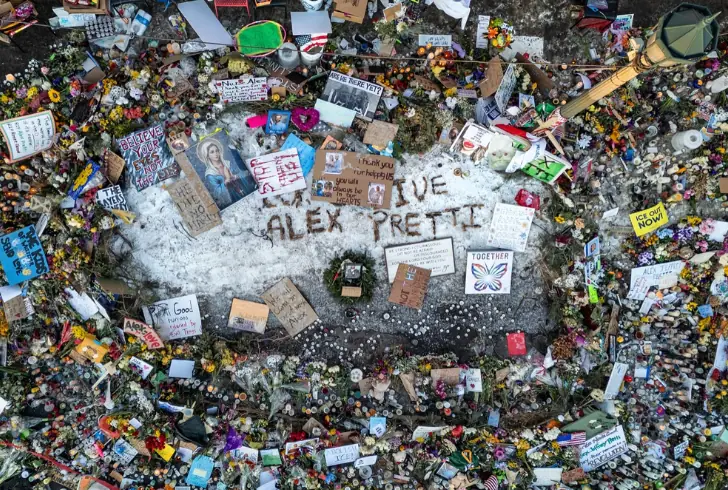
Instagram | dguttenfelder | Tragedies like Alex Pretti’s death forced a pivot, proving that a creator’s environment dictates their message.
Fitness culture has long positioned itself as a space for discipline, self-improvement, and community. Politics, by contrast, was viewed as divisive. That separation now appears harder to maintain.
Several factors contribute to the shift:
1. High-profile incidents, such as the death of Alex Pretti
2. Growing public scrutiny of ICE enforcement
3. Audience expectations for transparency and values
4. The scale and influence of creator platforms
When a fitness influencer commands hundreds of thousands or even millions of followers, the platform functions as more than a workout diary. It becomes a public forum. Followers do not only consume training advice; they evaluate character, ethics, and alignment.
At the same time, not every creator wants that role. Some see their accounts as specialized channels for health and performance. Others believe the size of their audience makes neutrality unrealistic.
The New Reality of Fitness and Politics
National debate now reaches the fitness industry. Creators who once focused strictly on macros, mileage, and muscle are now addressing immigration policy, civil rights, and government accountability. Some face backlash. Others gain new support. Many lose followers while gaining stronger loyalty from those who remain.
The core tension remains unresolved: Is a fitness platform simply about workouts, or does influence carry civic weight?
Fitness influencers have stepped into political conversations not because their content changed overnight, but because the environment around them did. Events such as the death of Alex Pretti forced many to reconsider what silence communicates. Creators like Tom Schweers, Andre Crews, Dr. Jedidiah Ballard, Ben Carpenter, Michael Smoak, and Mike Ko now represent different responses to the same question.
For some, speaking out aligns with personal values and community responsibility. For others, staying focused on fitness preserves clarity and purpose. What is clear is that the line between lifestyle content and public discourse has grown thin. As audiences continue to demand authenticity, the fitness world will likely keep wrestling with where workouts end and politics begin.